

How Did Swift Technology Act to fill the gap?
The COVID-19 pandemic has accelerated the speed and scale of digital transformation, but most companies are facing the fear of being left behind. As we have been experiencing, the pandemic has fast-forwarded digital transformation by five years, resulting in large-scale digitalization. Digital Skill Gap is a hot topic that every company here in Nepal has to face at this time. Moving along with the time and digital evolution is a must for all Companies and organizations.
To solve the puzzle of deploying, aligning, and hiring the right talent to address the skill gaps, drive post-pandemic recovery and accelerate their digital transformation journey. Swift took the following strategic planning and execution across 4 solutions to fill in this digital skills gap.

1. Investing in reskilling and upskilling initiatives
As per our research, moving along with the trend, going digital is the key to sustaining in this competitive market.
The pandemic and the resultant rapid digitalization have further increased the urgency among companies to adapt to the changing conditions and align the workforce to their new roles and responsibilities.
To resolve this, Swift came up with the idea of investing in reskilling and upskilling initiatives, that can hold the key to succeed in the post-pandemic era.
Swift believes without a digitally competent workforce, our company will find it challenging to navigate this digital transformation tide to innovate, differentiate, and compete.
Upskilling and reskilling resources can benefit a workforce, that will have the ability to speed up the adoption of new technology trends within the company and capitalize on the differentiating product and service strategies during the current and future disruptions.
Furthermore, hiring external manpower or trainers did cost more, but the results are remarkable. Apart from the obvious business benefits, reskilling employees leads to improved engagement, retention, and morale further strengthening the workforce.
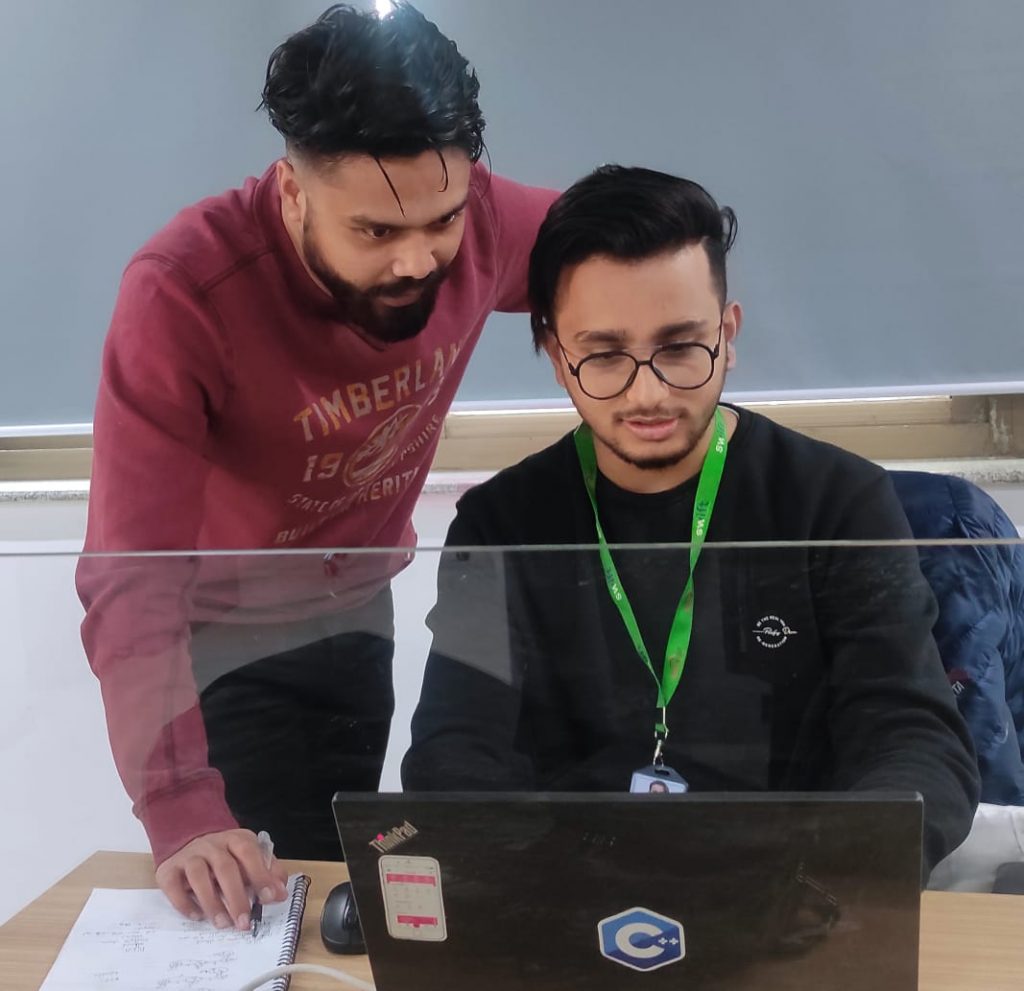

2. Transforming the workforce through remote working
Swift was planning to transform the workforce to become more agile, hybrid, and fluid, the pandemic provided the push to reimagine and reshape the way of working. COVID-19 caused a fundamental transformation in the way organizations work. It helped trigger a widespread remote working environment and challenged the traditional ways of how work was executed.
As everyone did face logistical challenges when we were hit with a sudden mandate for remote working, which required different kinds of resources when compared to the traditional office desktop setup.
With proper work from home guidelines provided by HR, employees did manage to perform very well with this new set of work ethics. We were able to move proactively with the team working remotely as well as working from the office staff. Swift maintained the communication with the employee and the correct tracking of their work, a new adaption of working from home culture is flourishing the business.
While everyone was not entirely sure how this enforced remote working experience would pan out, the result proved an overall increase in productivity after switching to the remote working model, while most employees self-reported improved productivity.

3. Leveraging a large distributed pool of unconstrained talent
The distributed workforce model allows organizations to take advantage of a vast pool of talent from across Nepal and, in the process, acquire the right talent from the right place.
Swift’s HR believes that a large pool of digitally talented resources is essential to drive competitiveness and also said that her work has been minimized by 70% than before. Finding the right person is just a click away.
A digital transformation took Job finding to the next level, identifying and hiring the right talent remotely in this digital age successfully redresses the skill shortages and recruitment challenges and allow organizations to build strong and diverse teams.
Recruiting ‘open talents’ helps organizations move beyond the realms of traditional hiring and explore non-conventional recruitment strategies leveraging digital channels to fill the skill gap effectively.
Also, Swift organized different IT Camps, Hackathons, Codecamps like the recent Winter In-take Code Camp which also helped to get the most talented employees on board.
Additionally, Swift is also open for more talents, such as freelancers and gig workers, through digital channels and beyond geographical constraints. Embracing the remote working model and recognizing it as a core philosophy of their talent-hiring strategy helps to remove a significant barrier to success by enabling them to acquire the right talent from anywhere.

4. Evaluating workforce competencies to drive digital at scale
In order to drive digital at scale, Swift focused on the ‘people dimension’ to successfully evaluate, identify and train the employees while also considering an individual’s competencies. Swift is mapping its employees based on competency levels, such as beginner, advanced, competent, proficient, and expert.
This helps build a workforce that understands the nuances of delivering successful digital programs.
CONTACT:
Swift Technology Pvt. Ltd.
3rd Floor, IME Complex
Panipokhari, Kathmandu
Nepal
Tel: +977-1-4002555, 4002535, 4002538
Mobile: +977 9802096758
Visit our Website: swifttech.com.np
Follow us on:


